
Understanding the Importance of Toys for Pets
In the vibrant world of pet care, toys play an indispensable role in nurturing the physical and mental well-being of your furry companions. Much like humans, pets need stimulation and engagement to thrive, and toys provide an ideal avenue for this. They are not mere trinkets but essential tools that contribute to a pet’s overall health and happiness.
For dogs, toys serve as a vital outlet for their boundless energy. They help in maintaining physical fitness and mental sharpness, reducing the likelihood of destructive behavior due to boredom. Chew toys, for instance, offer a satisfying challenge that can alleviate stress and promote dental health. Similarly, interactive toys foster social interaction, teaching dogs to play, share, and even follow instructions.
Cats, on the other hand, benefit from toys that cater to their natural instincts. Toys that mimic prey, such as feather wands and laser pointers, engage their hunting instincts, providing both exercise and mental stimulation. Puzzle toys can also challenge your feline friends, improving their cognitive skills and keeping them entertained.
Moreover, toys can serve as a bonding tool between pet and owner, strengthening the emotional connection through shared play experiences. By investing in the right toys, pet owners not only enhance their pet’s quality of life but also contribute to their own enjoyment and relationship with their pet.
Factors to Consider When Choosing Pet Toys
When selecting the ideal toys for your beloved dog or cat, there are several critical factors to consider to ensure both safety and enjoyment. Understanding your pet’s unique preferences and needs is key to making informed choices that will keep them engaged and happy.
1. Safety and Durability
Safety should be at the forefront when choosing toys for your pet. Ensure that the toys are made from non-toxic materials and are free from small parts that could pose a choking hazard. Durability is equally important; pets, especially dogs, can be quite vigorous with their toys. Opt for toys that are robust enough to withstand rough play.
2. Age Appropriateness
Consider the age of your pet when selecting toys. Puppies and kittens might require softer toys that are gentle on their developing teeth, while adult pets might enjoy more challenging toys that stimulate their intellect and physical abilities. Age-appropriate toys ensure that your pet remains engaged without becoming frustrated or disinterested.
3. Size of the Toy
The size of the toy should be appropriate for the size of your pet. Toys that are too small can be easily swallowed, posing a serious health risk. Conversely, toys that are too large may be difficult for your pet to handle and play with effectively.
4. Behavioral Needs
Each pet has its own set of behavioral needs that can be addressed through specific toys. For instance, a high-energy dog may benefit from toys that promote active play, such as balls or frisbees, while a curious cat may enjoy toys that mimic prey, such as feather wands or plush mice.
By considering these factors, you can ensure that the toys you select not only provide entertainment but also contribute positively to your pet’s physical and mental well-being.
Safety Tips for Selecting Dog and Cat Toys
Choosing the right toys for your furry companions involves more than just picking what looks fun or colorful. Safety should be your primary concern when selecting toys for dogs and cats, as these playthings will spend a lot of time in their mouths and paws. Here are some essential tips to ensure the toys you select are safe and enjoyable for your pets.
Consider the Material
When it comes to toy materials, durability and non-toxicity are key. Opt for toys made of natural rubber, sturdy nylon, or high-quality fabric that can withstand vigorous play without breaking into small, ingestible pieces. Avoid toys with sharp edges or those that are easily torn apart, as they can pose choking hazards or cause injury.
Size Matters
Choosing the right size is crucial. Toys should be large enough so that they cannot be swallowed whole but not so large that they become difficult to play with. For dogs, consider the breed’s size and jaw strength, while for cats, think about their ability to bat and carry the toy around comfortably.
Check for Small Parts
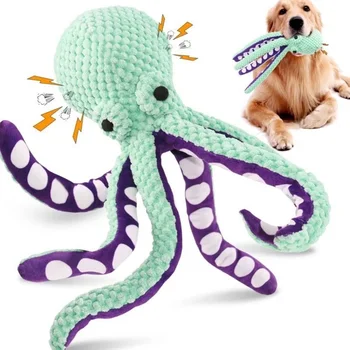
Be vigilant about toys with small detachable parts like eyes, buttons, or squeakers. Such components can easily be ripped out and swallowed, leading to potential blockages or choking. Always inspect toys for any loose parts before giving them to your pet.
Supervise Playtime
Even the safest toy can become hazardous if misused. Supervision during playtime is essential, particularly when introducing a new toy. Watch how your pet interacts with the toy and remove it immediately if you notice any signs of damage or wear.
By following these safety tips, you ensure that playtime is a fun and secure experience for your pets. Remember, the right toy can enrich their lives, providing mental stimulation and physical exercise.
Different Types of Toys for Dogs and Cats
When it comes to choosing the right toys for your beloved pets, understanding the different types available can be instrumental in making an informed decision that caters to their individual needs and preferences. Toys play a crucial role in the physical and mental stimulation of pets, aiding in their overall well-being. Dogs and cats have distinct play styles and preferences, which means that the toys you select should reflect these differences.
For Dogs
Dogs are generally more active and require toys that can withstand vigorous play. Some popular categories include:
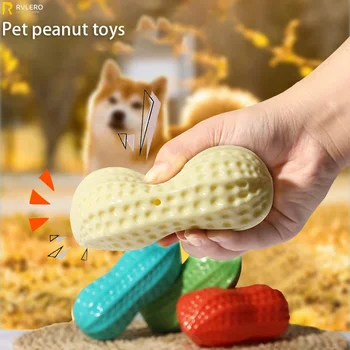
- Chew Toys: Ideal for dental health, these toys help satisfy the natural instinct to chew and can prevent destructive behavior.
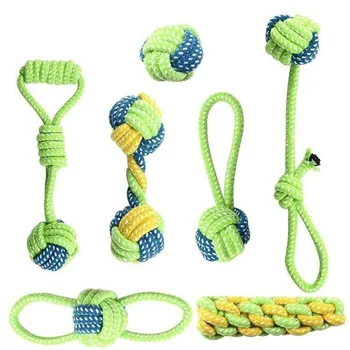
- Tug Toys: Perfect for interactive play, these toys encourage bonding and provide a great outlet for energy.
- Fetch Toys: Excellent for physical exercise, fetch toys are great for dogs that enjoy running and retrieving.
- Puzzle Toys: These toys engage your dog’s mind and can help reduce boredom and anxiety.
For Cats
Cats, on the other hand, often enjoy toys that stimulate their hunting instincts. Consider these options:
- Feather Toys: Mimicking birds, these toys can keep a cat entertained and engaged.
- Laser Pointers: Great for exercise, laser pointers can encourage your cat to chase and pounce.
- Interactive Toys: Such as balls or mice that move on their own, catering to a cat’s curiosity and playfulness.
- Scratch Toys: These provide a healthy outlet for scratching, saving your furniture from their claws.
Choosing the right toys is not just about entertainment; it’s about enhancing your pet’s quality of life. Understanding what engages and excites them will foster a happier, healthier pet.
How to Match Toys to Your Pet’s Personality
Choosing the right toys for your pet is not just about picking the first one you see on the shelf. It requires a thoughtful approach that takes into account your pet’s unique personality and preferences. Recognizing these traits can significantly enhance their playtime experience, turning it into a more engaging and fulfilling activity. Understanding your pet’s personality can be the key to enriching their life and yours, as it aligns with the broader goals of fostering better pet care and enhancing the bond you share.
First, observe your pet’s behavior to discern whether they’re more inclined towards active play or if they prefer mental challenges. Dogs that are high-energy, such as Terriers or Border Collies, often thrive with toys that encourage physical activity. Consider options like frisbees or fetch balls that allow them to burn off energy. Conversely, breeds known for their intelligence, like Poodles or German Shepherds, may benefit more from puzzle toys that stimulate their minds.
Cats, on the other hand, exhibit a wide range of personalities. Some might enjoy the thrill of chasing laser pointers or interactive feather toys, while others might prefer toys they can bat around independently or puzzle feeders that challenge their problem-solving skills. It’s crucial to tailor toy choices to their specific preferences, which not only keeps them entertained but also supports their well-being.
Incorporating the right toys into your pet’s routine not only caters to their individual needs but also bolsters their happiness and health. By aligning toy selections with your pet’s personality, you ensure that playtime is both fun and beneficial. For a curated selection of pet toys that suit various personalities, visit our shop page for products and more.




0 Comments