
Benefits of Interactive Pet Toys
Interactive pet toys are not merely playthings; they are essential tools for enhancing the mental and physical well-being of our beloved pets. These toys are specifically designed to engage pets in activities that stimulate both the mind and body, ensuring a balanced lifestyle that promotes overall health. By incorporating interactive toys into your pet’s routine, you are not only providing entertainment but also fostering an environment that encourages growth and development.
One of the key benefits of interactive pet toys is their ability to provide mental stimulation. Pets, especially dogs and cats, are naturally curious creatures that thrive on exploration and problem-solving. Toys that challenge their intelligence, such as puzzle feeders or treat-dispensing balls, can keep them mentally engaged for extended periods. This not only helps to reduce boredom but can also alleviate anxiety and prevent destructive behaviors that often arise from a lack of mental engagement.
In addition to mental enrichment, interactive toys promote physical activity. Many toys encourage pets to move, chase, or pounce, which can be particularly beneficial for pets that may not get enough exercise otherwise. Regular physical activity is crucial for maintaining a healthy weight, building muscle tone, and supporting cardiovascular health. Moreover, interactive play strengthens the bond between pets and their owners, offering a shared experience that benefits both parties.
Ultimately, investing in interactive pet toys is a proactive step toward ensuring your pet leads a fulfilled and vibrant life.
Understanding the Role of Mental Stimulation in Pets
Just as humans thrive on mental challenges to maintain cognitive health, pets too benefit immensely from mental stimulation. Providing pets with intellectual engagement is not merely an option; it’s essential for their overall well-being. Without adequate mental enrichment, pets may exhibit signs of stress, anxiety, or boredom, which can manifest in undesirable behaviors such as destructive chewing or excessive barking. By understanding the role of mental stimulation, pet owners can enhance the quality of life for their furry companions.
Interactive pet toys serve as a crucial tool in offering this much-needed mental stimulation. These toys are designed to challenge a pet’s problem-solving abilities and keep their minds active. Whether it’s a puzzle feeder that requires a pet to figure out how to access a hidden treat or a toy that mimics the unpredictable movements of prey, interactive toys demand attention and cognitive effort. This engagement not only prevents boredom but also aids in reducing anxiety and promoting a more balanced demeanor.
Moreover, mental stimulation is closely linked to physical health. As pets engage with interactive toys, they’re often encouraged to move more, promoting better physical fitness. This dual benefit of mental and physical activity helps in maintaining a healthy weight and supports joint health, particularly in older pets. Therefore, ensuring that pets have access to interactive toys is a proactive approach to nurturing their mental and physical health.
Incorporating mental stimulation into your pet’s routine doesn’t have to be complex. Simple changes, such as rotating toys or introducing new challenges, can keep things fresh and exciting.
Physical Enrichment Through Interactive Play
Interactive pet toys serve as a dynamic catalyst for enhancing the physical well-being of pets. By engaging in interactive play, pets experience an invigorating boost to their physical health, which is essential for their overall vitality and longevity. These toys are cleverly designed to stimulate pets to move, chase, fetch, and pounce, mimicking natural behaviors that are inherently beneficial to their muscle development and cardiovascular health.
Unlike traditional toys that require minimal effort, interactive toys often incorporate elements that demand physical exertion. For instance, toys that dispense treats or those that are motion-activated encourage pets to employ their agility and speed. This kind of physical engagement not only helps in maintaining their weight but also prevents the onset of obesity-related issues, a common concern among pet owners.
Moreover, the physical challenges presented by these toys can significantly enhance a pet’s coordination and balance, leading to improved motor skills. The satisfaction derived from successfully interacting with these toys also contributes to their mental well-being, creating a dual benefit. Pets remain physically active and mentally stimulated, leading to a more content and healthier companion.
Incorporating interactive toys into your pet’s routine is a simple yet effective way to enrich their lives.
Choosing the Right Interactive Toy for Your Pet
Selecting the perfect interactive toy for your pet is akin to finding the right book for an avid reader; it requires understanding their preferences, needs, and energy levels. The right toy not only engages your pet’s mind but also contributes positively to their physical health, making it an essential part of pet care.
Understanding Your Pet’s Needs
Every pet is unique, and their playtime needs can vary significantly. When choosing an interactive toy, consider your pet’s age, breed, size, and personality. Younger pets might benefit from toys that challenge their agility and curiosity, while older pets may prefer toys that are gentle on their joints yet stimulating. For instance, a puzzle toy could be ideal for a curious cat, while a durable chew toy might suit a teething puppy.
Types of Interactive Toys
- Puzzle Toys: These are excellent for stimulating your pet’s cognitive abilities. They often involve hiding treats that your pet must figure out how to retrieve.
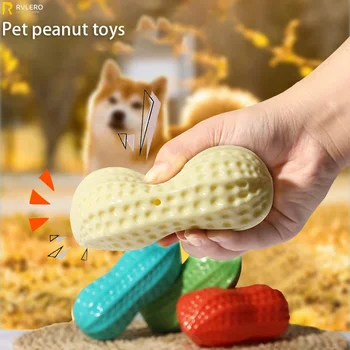
- Chew Toys: Perfect for pets who love to gnaw, these toys help maintain dental health while keeping them entertained.
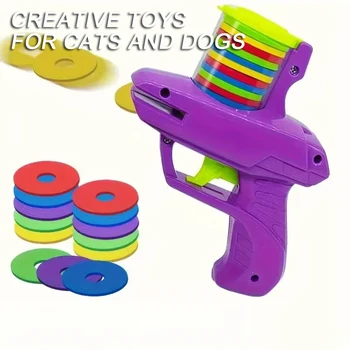
- Motion-Activated Toys: These toys encourage exercise and play by moving or making noise when touched, sparking your pet’s natural hunting instincts.
Safety and Durability
Safety should be a priority when choosing toys. Ensure the toy is made from non-toxic materials and is robust enough to withstand vigorous play. Check for any small parts that could pose a choking hazard, especially for smaller pets. Durability is also key; a well-made toy will withstand wear and tear, providing long-lasting enjoyment for your pet.
Ultimately, the right interactive toy should be safe, engaging, and suitable for your pet’s specific needs, enhancing their quality of life while keeping them entertained.
Tips for Introducing Interactive Toys to Your Pet
Interactive toys serve as an excellent tool for enriching your pet’s mental and physical well-being, but introducing them to your furry friend requires a thoughtful approach. The key is to ensure your pet feels comfortable and curious about the new addition to their environment. Here are several tips to guide you through the process:
1. Start Slowly
Initially, it is crucial to introduce the interactive toy at a pace that suits your pet’s temperament. Choose a quiet time when your pet is relaxed and open to exploring new things. Allow them to sniff and investigate the toy without any pressure. This gradual introduction can help alleviate any anxiety associated with the unfamiliar object.
2. Demonstrate the Toy’s Use
Pets often learn by example, so demonstrating how the toy works can spark their interest. Engage with the toy yourself to show your pet the fun and benefits it offers. Whether it’s a treat-dispensing ball or a puzzle, make sure your pet sees the reward in interacting with it.
3. Encourage and Reward
Positive reinforcement is vital in encouraging your pet to play with interactive toys. Use treats or verbal praise each time your pet shows interest or plays with the toy. Over time, they will associate the toy with positive experiences, making them more likely to engage with it independently.
4. Monitor Playtime
While interactive toys are designed for independent play, supervision is often beneficial, especially during the initial stages. Observing how your pet interacts with the toy can help you understand their preferences and ensure they are using the toy safely. Adjustments can be made based on your observations to enhance their experience.
Interactive toys are not just playthings; they are tools that can significantly contribute to your pet’s overall happiness and health. By following these tips, you can make the introduction of such toys a seamless and positive experience for your pet. Explore our product collection to find the perfect interactive toy for your furry friend.





0 Comments